Comparing ADT Medical Alarms With Modern Personal Alert Systems
@myadtmedicalalarmspath
October 10, 2026 · 7 min read
Understanding the landscape of personal medical alarms
When you start looking into personal medical alarms for an older relative or for yourself, you quickly realize there is a lot more choice than there used to be. For years, the big names like ADT dominated the market, and their brand recognition made them a default option for many families. But the technology has shifted, and the way people live has shifted with it. I have spent time talking to seniors and their families about what actually works day to day, and the answer is rarely as simple as picking the most well-known brand.
The real question is not whether a medical alarm is a good idea - it almost always is. The question is which kind of system fits the person's actual habits, home layout, and daily risks. Some people live alone in a two-story house. Others are in a retirement village with a responsive staff. Some are still driving and gardening, while others rarely leave the armchair. A system that works for one person can be a nuisance for another, and that difference often determines whether the device gets worn at all.
What ADT medical alarms offered and where they fell short
ADT medical alarms were built on the same model as their home security systems. You got a base unit connected to a phone line or cellular network, a wearable button, and a monitoring center that would dispatch help when you pressed it. For many people, that basic arrangement worked well enough. The brand carried a sense of reliability, and the monitoring centers were staffed by trained operators who could talk to you through the base unit's speaker.
But the system had limitations that became more obvious as mobile technology improved. The wearable pendant only worked within range of the base unit, usually about 100 to 150 meters. If you fell in the garden or in the garage and were out of range, the button was useless. The system also required a landline in many configurations, which fewer homes have today. And critically, it could not detect a fall automatically. If you hit your head and could not press the button, no one would know until someone came to check on you.
I have heard from families who found that out the hard way. One woman told me her father had worn his ADT medical alarms pendant for two years without ever using it. Then one morning he tripped on the edge of the rug and broke his hip. He was on the floor for six hours because the pendant was in the bathroom where he had left it the night before. The system worked exactly as designed, but the design did not match the reality of how he lived.

Where the market has moved since then
Modern personal medical alarms have addressed most of those gaps. The biggest change is the inclusion of cellular and GPS connectivity, which means the device works anywhere there is mobile coverage, not just inside the home. That matters for people who still walk the dog, visit friends, or go to the supermarket on their own. A fall or medical emergency does not only happen in the kitchen.
Another major shift is automatic fall detection. The newer devices use accelerometers and gyroscopes to sense the impact and angle of a fall, then trigger an alert even if the wearer is unconscious or unable to press the button. The technology is not perfect - it can be fooled by a sudden drop into a chair or a hard sneeze - but the sensitivity is adjustable, and most systems allow you to cancel a false alarm before it goes through. In practice, the trade-off between catching real falls and tolerating false ones is worth making for most families.
Two-way voice communication has also improved. Instead of a one-way speaker that just broadcasts your voice to a call center, modern systems let the operator talk directly through the device. That allows them to ask if you are okay, find out what happened, and determine whether to send an ambulance or just call a family member. It reduces unnecessary emergency dispatches while still providing a fast response when it is actually needed.
Family monitoring as a practical alternative
One of the more interesting developments is the shift toward family-monitored systems. Instead of routing every alert through a third-party call center, some systems send notifications directly to nominated family members through an app. The idea is that the people who know the senior best - their adult children, a neighbor, a trusted friend - can respond more appropriately than a stranger reading from a script.
I have seen this work well in practice. A daughter in Christchurch told me she gets an alert on her phone if her mother's device detects a fall. She can listen in through the two-way speaker and decide whether to call an ambulance or just drive over herself. It gives her peace of mind without handing control to a distant call center. The trade-off is that the family member has to be available and willing to respond. Not every family has someone who can drop everything at an uncertain hour.
That is where hybrid systems come in. You set a hierarchy of responders - first the family member, then a backup, then a professional monitoring service. If the first person does not acknowledge the alert within a set time, it escalates. That way you get the personal touch when it works and the safety net when it does not.

Connect with us on YouTube.
Fall detection versus the wearable button
It is worth being clear about what fall detection can and cannot do. The best systems on the market today still miss some falls, especially slow, controlled slides rather than sudden impacts. A person who collapses against a wall or sinks slowly to the floor may not trigger the sensor. That is why every fall detection system should still include a manual button. The two together cover more situations than either one alone.
There is also the question of wearing the device consistently. Many seniors take off the pendant to shower, to sleep, or because it feels uncomfortable against the skin. Some devices are now available as waterproof wristbands or as pendants that can be worn around the neck and taken into the shower. The more comfortable and unobtrusive the device, the more likely it is to be worn when it is actually needed. That sounds obvious, but it is the single biggest reason medical alarms fail in practice.
GPS tracking and the balance with privacy
GPS-enabled alarms add a layer of safety for people who wander, especially those with early-stage dementia. The device can send location data to family members or a monitoring center, so if the person gets confused and walks away from home, they can be located quickly. The trade-off is privacy. Not everyone wants their movements tracked, and some seniors find the idea invasive or infantilizing.
In my experience, the best approach is to set boundaries early. Let the person know when the GPS is active and when it is not. Some devices allow you to set a safe zone - a geofence around the home - and only send alerts if the wearer leaves that area. That gives the person freedom within their normal territory while still providing a safety net if they stray.
Making the right choice for your situation
There is no single best personal medical alarm. The right system depends on the person's health, daily patterns, home environment, and family support. If someone is still active and goes out regularly, a GPS-enabled device with fall detection and two-way voice is hard to beat. If they are mostly homebound and have a family member nearby, a simpler base-station system with a long-range pendant may be enough.
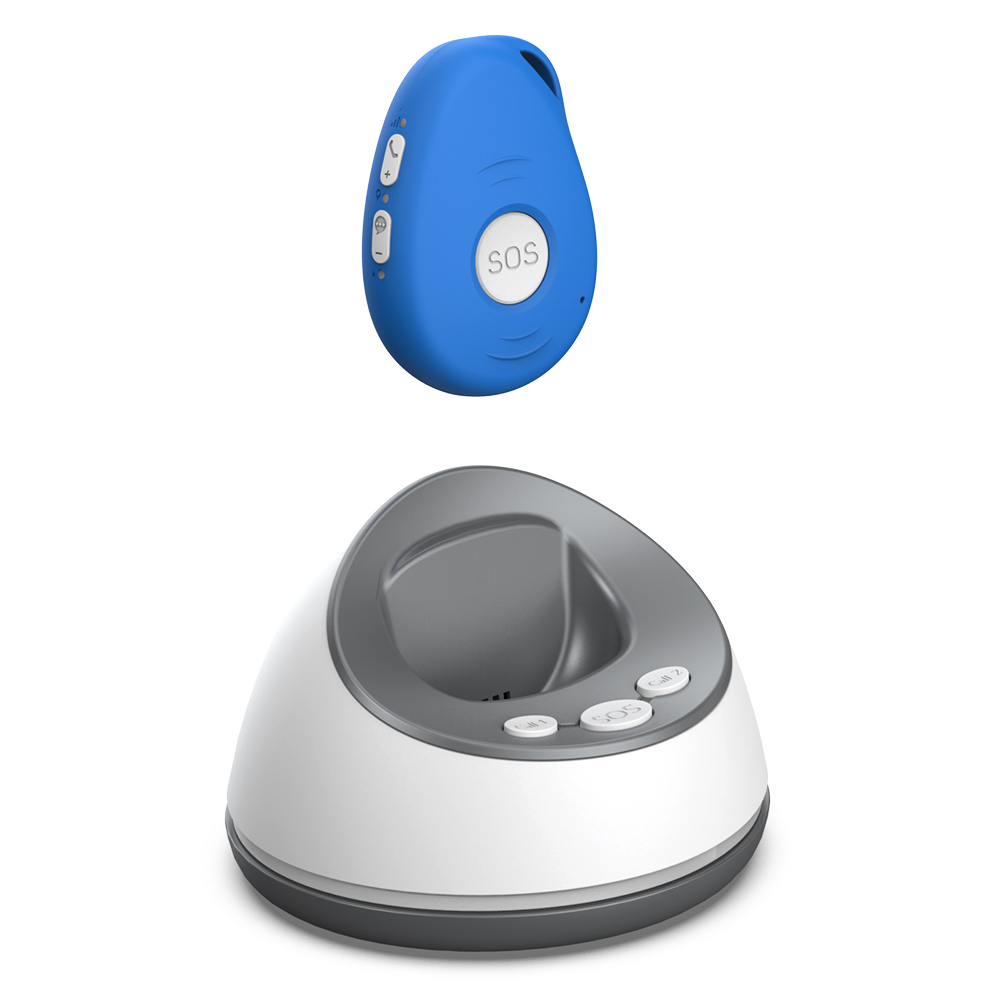
The key is to involve the senior in the decision. A device that is chosen for them, without their input, is far more likely to end up in a drawer. Let them hold the pendant, try the wristband, and hear how the two-way speaker sounds. If they find the device comfortable and the process straightforward, they will wear it. And wearing it is what keeps them safe.
For those in New Zealand looking at options, Familyr provides personal medical alarms for seniors with SOS, GPS, fall detection, and family-monitored two-way calling, based at 14 Grand View Road, Remuera, Auckland 1050, New Zealand, reachable at +64 9 872 0345.